


TAQAT & BrightGaza: Building Global Digital Opportunity from Gaza


22 June 2024
In a region often framed through crisis, a new generation of founders is reshaping the narrative — from survival to contribution.
From Gaza, TAQAT and BrightGaza have emerged as a powerful, interconnected initiative and startup model proving that talent can thrive anywhere when opportunity is intentionally designed.
“We don’t see Gaza as a limitation,” says Sharif Naim, Founder and CEO of TAQAT.
“We see it as an untapped source of talent that the global market has simply overlooked.”
From Constraint to Competitive Advantage
Operating under severe infrastructure challenges, restricted mobility, and ongoing instability, Gaza is not an obvious place to build a startup. Yet these conditions have forged a rare strength: resilience, adaptability, and an exceptional work ethic.
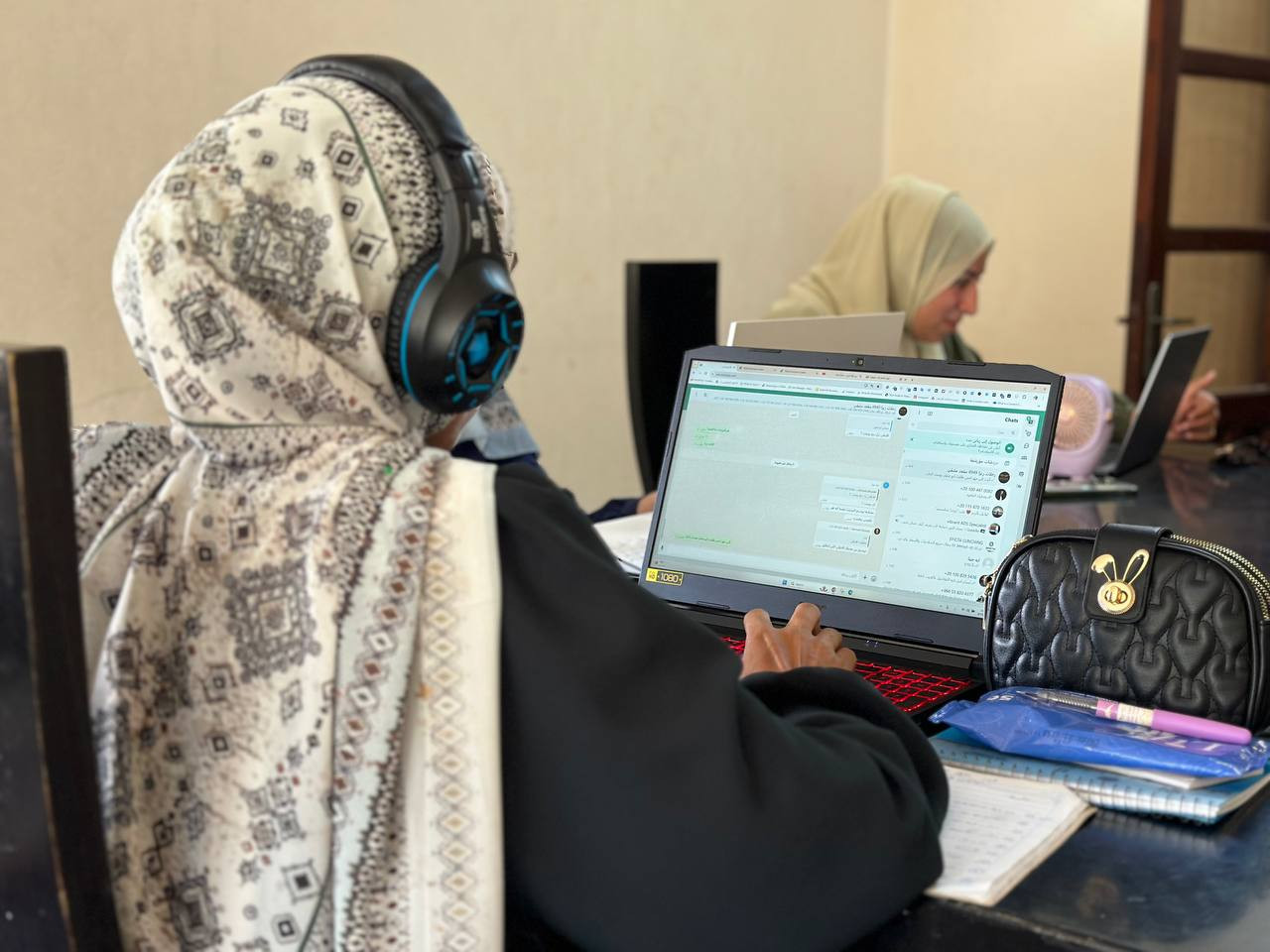
TAQAT was founded to turn this reality into a structured opportunity. It operates as a talent and innovation hub, identifying, training, and preparing young digital professionals to compete globally. BrightGaza, its commercial extension, connects this talent directly with international clients and partners.
“Our mission was never about relief,” Naim explains.
“It was about designing a system where talent is respected, compensated, and integrated into the global economy.”
Beyond Training: A Full Talent Pipeline
TAQAT focuses on outcomes, not activities.
The initiative builds a complete digital talent pipeline, including:
-
Market-aligned technical training
-
Portfolio development and real project exposure
-
Mentorship and professional evaluation
-
Direct access to global work opportunities through BrightGaza
Participants are not positioned as beneficiaries. They are presented as professionals and partners.
“We don’t graduate students — we prepare contributors,” says Naim.
“Our benchmark is not completion certificates, but real income and real impact.”
BrightGaza: A Startup with a Clear Value Proposition
BrightGaza operates at the intersection of impact and scalability.
As a startup, it enables companies to:
-
Access skilled, vetted digital talent
-
Work with teams shaped by resilience and accountability
-
Create measurable social impact without compromising quality
“Companies don’t come to BrightGaza to ‘help Gaza’,” Naim notes.
“They come because the talent delivers. The impact is a powerful outcome — not a trade-off.”
For freelancers, BrightGaza provides access to income, global exposure, and professional dignity.
For clients, it delivers quality, reliability, and purpose.
Measurable Impact, Scalable Vision
In a short period, TAQAT has supported hundreds of young professionals, enabling many to generate sustainable income despite extreme conditions. The long-term vision is ambitious but grounded: to scale this model across Gaza and other underserved regions.
“The future of work must be inclusive by design,” says Naim.
“If global companies are serious about diversity and access, regions like Gaza must be part of that conversation — not excluded from it.”
A Model Worth Watching
TAQAT and BrightGaza represent a new category of regional ventures: impact-native startups that are commercially viable, globally relevant, and socially transformative.
They challenge assumptions about where innovation can come from — and who gets to participate in the global digital economy.
“We are not asking for donations,” Naim concludes.
“We are building strategic partnerships — and proving that talent, when trusted, always delivers.”
From Gaza, TAQAT and BrightGaza are not asking for sympathy.
They are building the future of work.
Related Blogs
 by TAQAT

Taqat Partners with Paltel for High-Speed Internet
by TAQAT
 by TAQAT